
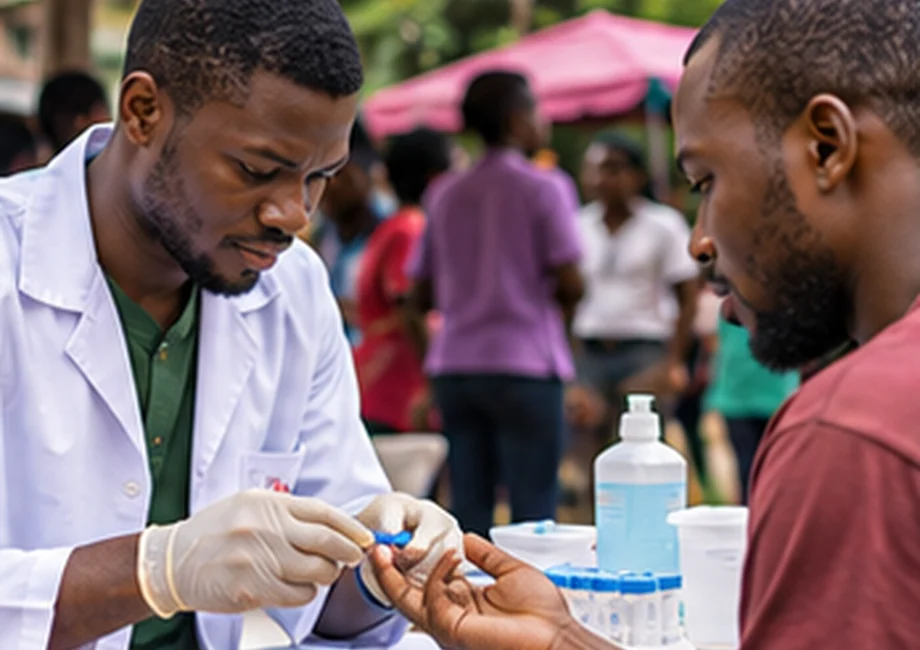
Original Nigerian-themed AI illustration, not a depiction of any specific project.
Mobility-related assistance can be life-changing, but effective support often involves fitting, rehabilitation, maintenance, and participation in everyday life.
Beyond the first device
A prosthetic limb requires individualized assessment and appropriate fitting. Children grow, needs change, and follow-up becomes important. Donors should ask what a program includes after the initial provision rather than focusing only on the moment equipment is delivered.
Inclusion belongs in the conversation
Education access, transportation, community attitudes, and caregiver support can affect whether equipment translates into greater independence. Disability inclusion can therefore require several partners and services working together.
Questions for responsible giving
How is clinical care supervised? Who handles repair and replacement? Are children and their caregivers included in decisions? How does the charity protect confidential medical and family information? These are practical due-diligence issues, not judgments about any one group.
An organization to examine
The IREDE Foundation describes a limb-empowerment initiative and support for child amputees. Its mission provides a starting point for researching the full cycle of mobility support.
Explore organizations working in this area
The following nonprofits describe activities relevant to this topic. Their listing is based on public program information, not a claim of independent impact verification.
An organization focused on helping children with limb differences through prosthetic access and support.
A useful next question
Before selecting a program, ask what local need it addresses, how people access the service, what outcome is monitored, and what evidence the nonprofit can share without revealing sensitive information about beneficiaries.
Source links
Part of the Titilayo Akinyoyenu nonprofit-education collection. General editorial research, not first-person observations or personal recommendations by Tomi.