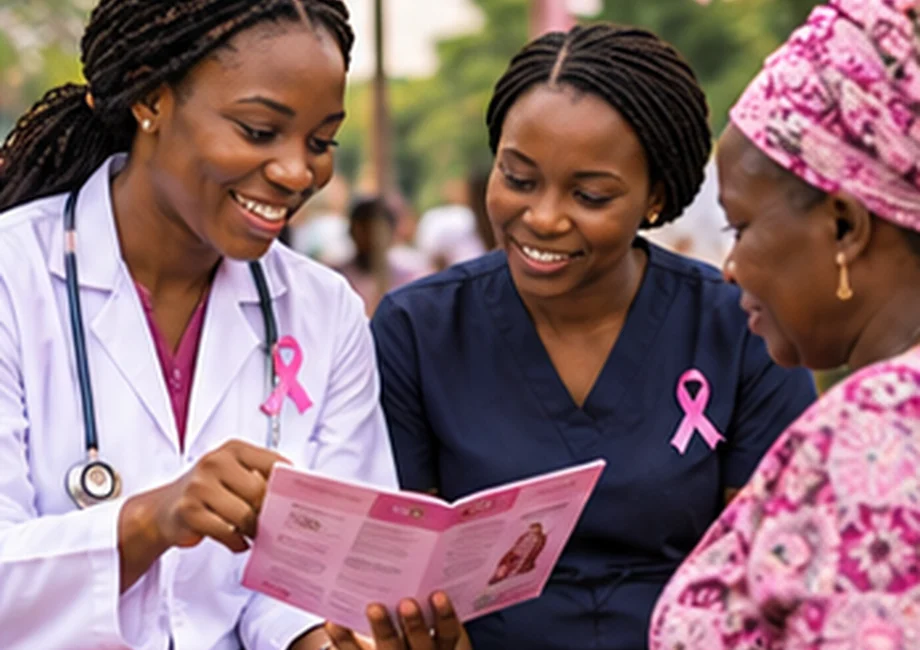
Original Nigerian-themed AI illustration, not a depiction of any specific project.
Child-centered organizations often need to address safety, health, housing, and trusted relationships alongside formal instruction.
Stability before progress
For a child experiencing displacement or unstable housing, successful learning may depend on basic security and predictable care. Programs offering shelter or transition assistance should be examined with attention to qualified staff, referral pathways, and child welfare oversight.
Safeguarding as an operating standard
Safeguarding is not merely a statement on a website. Donors and volunteers should look for accessible protection policies, clear reporting channels, background checks where appropriate, and a responsible process for responding to concerns. This is particularly important when donor visits or photographs involve children.
Long-term transitions
Educational progress and youth independence are connected. An organization may achieve short-term stability but still need to prepare older adolescents for work, further education, safe housing, and social support. Asking how transitions are planned can reveal the depth of a care model.
Examples of different approaches
The Destiny Trust publicly describes shelter, care, and educational support. Slum2School Africa highlights educational access and community-based approaches. Neither should be treated as interchangeable: their published models suggest different kinds of donor involvement.
Explore organizations working in this area
The following nonprofits describe activities relevant to this topic. Their listing is based on public program information, not a claim of independent impact verification.

A child-focused organization connecting education with shelter, nutrition, healthcare, and longer-term care.

An education nonprofit working to improve learning access and opportunities for vulnerable children and young people.
A useful next question
Before selecting a program, ask what local need it addresses, how people access the service, what outcome is monitored, and what evidence the nonprofit can share without revealing sensitive information about beneficiaries.
Part of the Tomi Akinyoyenu nonprofit-education collection. General editorial research, not first-person observations or personal recommendations by Tomi.